
White Lesions on Your Teeth After Braces: What to Do Next

Woman smiles while looking in a small mirror.
The final debonding of braces is an exciting time for orthodontic patients, as the moment approaches when they can finally see their new smile without appliances. However, when braces are removed, sometimes that new smile is dimmed by unsightly white spots found on teeth known as white spot lesions (WSL). White spot lesions are the demineralization of teeth and an early sign of cavity development. Although anyone can get them, kids or teens/adults, as well as people who are not orthodontic patients. However, for those who are using orthodontics, seeing those spots on debonding day could make what should have been a special day a little less dazzling. When it comes to white spot lesions, braces patients rarely think about them until they see them on their own teeth.
Dr. Simi Mathur discusses white spot lesions.
One of the first things that those patients might ask is, “Can anything be done about white lesion spots after braces?” Fortunately, the answer is yes: there is something that can be done to prevent them and to reduce the appearance of white lesion spots. Continue reading to learn what you can do before and after after WSL are seen.
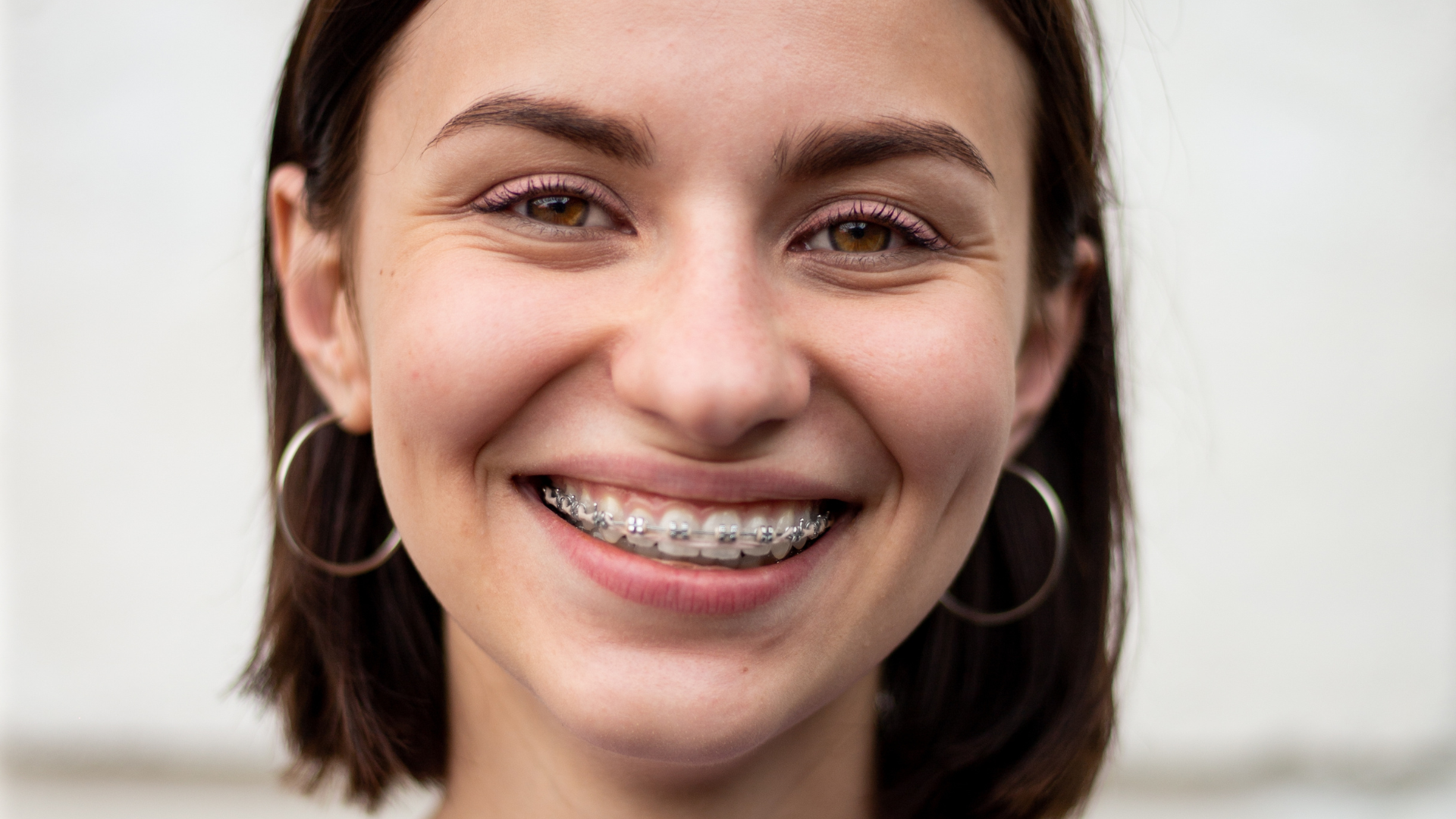
Teen girl smiles with braces.
What Causes White Lesion Spots on Teeth
Now that the problem of WLS has been acknowledged, what actually causes white lesion spots on teeth? Simply put, white lesion spots are caused by a lack of oral hygiene. Poor dental habits like not brushing or flossing regularly, smoking, consuming high-sugar food and drinks, and not drinking enough water are not good for patients who desire picture-perfect teeth.
Not Brushing Teeth Daily
Daily brushing is the best way to avoid WLS altogether. When patients with braces consume food, drinks, and maybe even an occasional dessert, decadence can occur rather quickly when even a few days of brushing is skipped. Brushing at least twice a day, ideally after every meal, is crucial in preventing white lesion spots from appearing.
Not Flossing Everyday
Just as important as brushing regularly is flossing at least once a day. In addition to brushing, flossing ensures that food particles won’t stay stuck between your teeth. When you skip daily flossing, that is one of the sure ways you can expect to develop white lesion spots on your teeth.
Consuming High-Sugar Foods and Drinks
It can be hard to resist sweet treats, and eating dessert or drinking soda is alright as long as it’s kept to a minimum. But make no mistake, every time you go for things like candy or cookies, that high-sugar snack can affect your teeth. Few things demineralize teeth as quickly as refined sugar. The best thing to do is to limit or avoid high-sugar foods and drinks altogether. However, if you do indulge every once in a while, always remember to brush your teeth. If you refuse to do so after consuming sweets, you’re sure to develop white lesion spots.
Smoking
Smoking (cigarettes, vapes, etc.), can also cause WSL on the teeth. This habit is bad for your dental health and is also a bad choice for your teeth aesthetically. Since it can cause your teeth to become yellow, as well as form white spot lesions, it’s best to quit smoking altogether.
In short, orthodontics alone cannot achieve a healthy, stunning smile; it requires patients who are dedicated to living a relatively healthy lifestyle with a consistent dental hygiene routine. White lesion spots can begin to form when a patient fails to keep a consistent dental hygiene routine, or continues smoking.
Consuming No/Little Water
Water is an essential part of our lives for many reasons: it provides hydration to our bodies, which need a lot of it! However, getting an adequate amount of water can prove challenging in our busy day. Yet it’s important to consume as much water as is needed to live a healthy life. Additionally, water helps us clean our teeth, in addition to our saliva and a consistent hygiene routine. Water erodes pesky particles of food that sometimes linger in our mouths. This helps us reduce the chance of getting WLS, as well as other undesirable oral/teeth conditions. So do your part for your body and your teeth by consuming the recommended amount of water per day.
Preventing White Spot Lesions on Teeth
You may worry that wearing braces will cause more hassle if you have to worry about white lesion spots. Rest assured, even with braces, WLS can be prevented by maintaining oral hygiene.
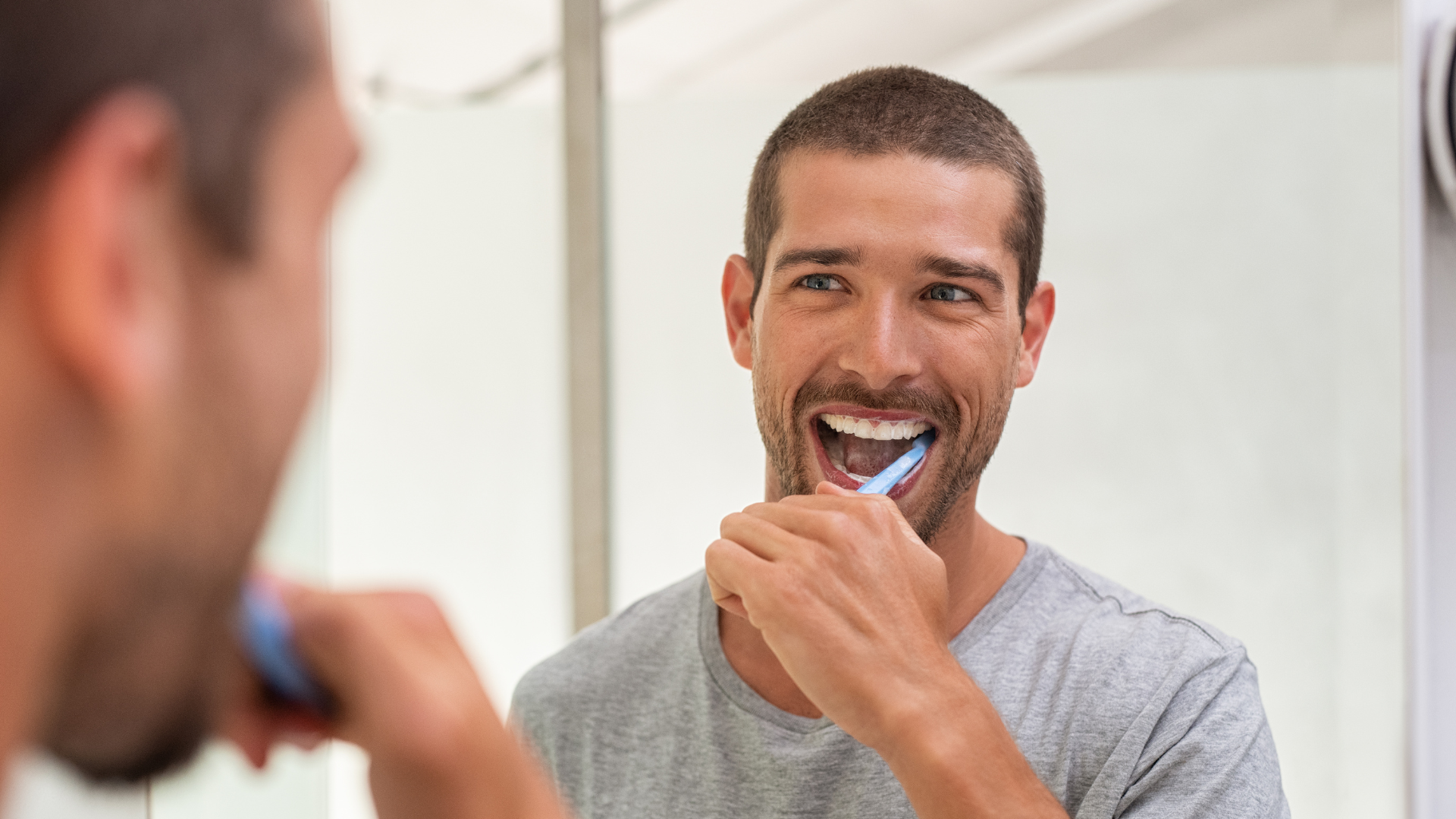
Young man brushes his teeth while looking in the mirror.
As always, the most important part of promoting and maintaining a sparkling smile, free from marring or signs of decay is to maintain proper oral hygiene and health. The simplest way to do this is to brush your teeth at least twice a day, and floss your teeth at least once a day.
Understandably, maintaining this routine is slightly trickier when you have braces applied to your teeth; methods that typically take just a couple minutes are lengthier when appliances are set in the teeth. However, it’s important not to skip your daily brushing and flossing habits so that in addition to a straighter smile, you also have a healthy one too.

Woman smiling showing teeth.
How to Remove White Spots on Teeth After Braces
If a patient already has white lesion spots, there are still options to improve the look of the teeth.
One company that has worked to improve the look of post-orthodontic smiles is DMG. DMG is a premier dental solutions company focused on beautifying smiles and maximizing confidence through white lesion spot reduction. Their product Icon Smooth Surface is a great option for patients and orthodontists who want to create straight smiles with little to no appearance of WLS. Icon Smooth Surface has a treatment option called Icon Caries Infiltration. This treatment process involves filling the tooth enamel with plastic liquid to give a more aesthetic smile–a wonderful option for patients who want that straight smile to come without unattractive white spots.
In conclusion, white lesion spots on teeth are both preventable and treatable. The best way to know your options for WSL or any other issue you encounter during orthodontic treatment is to visit your orthodontist or dental healthcare provider. If you’re in Abilene, Merkel, Sweetwater, or the surrounding cities in West Texas, we would be happy to meet with you to discuss your options. Whether you need a transfer recommendation or are new to orthodontic treatment, we can provide a personalized consultation to help you make the best choice for your smile. Call Mathur & Taylor Orthodontics at (325)695-0170 or contact us by sending a message.
This article was medically reviewed and verified by board-certified orthodontist and practice owner, Dr. Simi Mathur Martin.

